Multi-URL QR Code: Store Multiple Links in One QR Code
 By Roselle V.
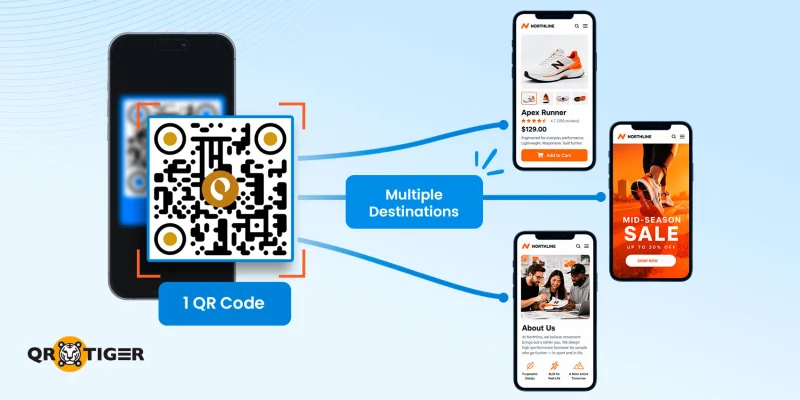
Quick overview
|
Table of Contents
- What is a QR code for multiple links?
- How does a multi-URL QR code work?
- What are the five redirection features of a multi-link QR code?
- How to create a QR code for multiple links?
- How do businesses benefit from using a smart URL QR code?
- Practical applications of QR codes with multiple links
- Answers to the top questions about multi-URL QR codes
- Is a multi-URL QR code right for your campaign?
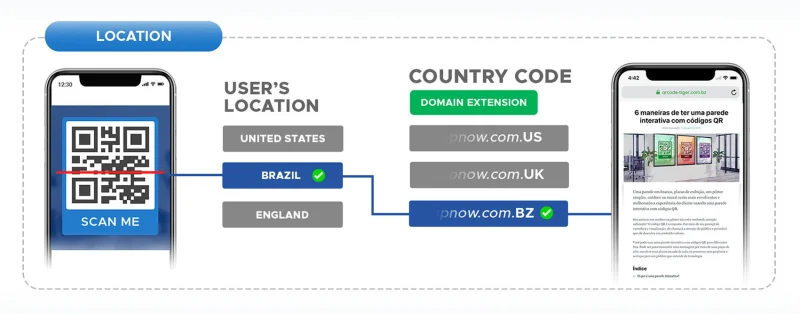
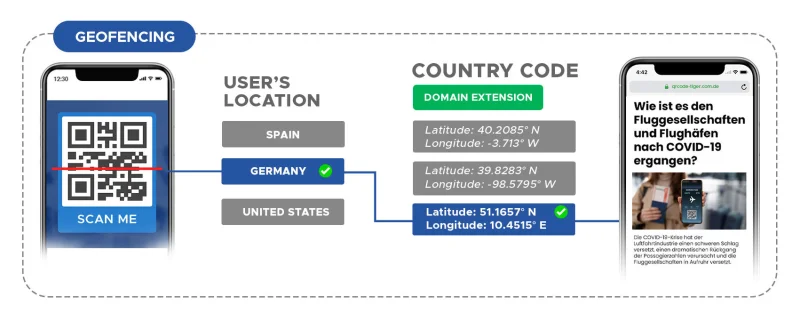
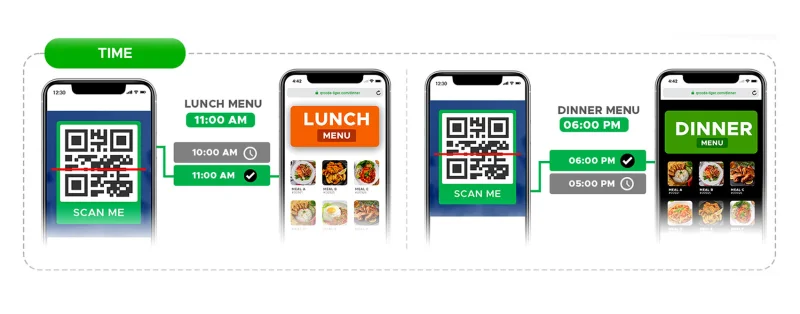
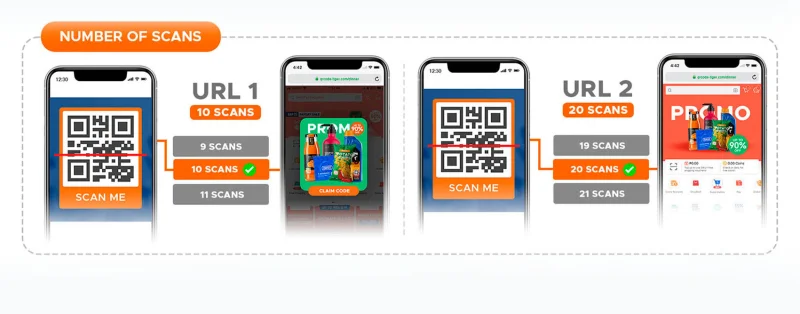
The destination URL changes based on a set maximum number of scans. Once the QR code reaches that threshold, all subsequent scanners are redirected to the next URL in the sequence.
Each destination URL gets its own scan limit. The code tracks cumulative scans automatically from the dashboard.
An additional thing to note is that scan counts don't reset. Plan your thresholds based on your expected total audience size so the final URL has room to serve remaining scanners.
How to create a QR code for multiple links?
1. Go to a dynamic QR code generator online.
2. Select the Smart URL QR code solution.
3. Choose your redirection type: location, time, language, number of scans, or geofencing.
4. Add each URL to QR code fields and set the corresponding conditions (location targets, time ranges, language, or scan thresholds).
5. Generate and customize the QR code design.
6. Test the QR code by scanning with multiple devices and settings.
7. Download in SVG or PNG format.
Note: Always test before deploying. Scan the code from different locations (use a VPN if needed), at different times, and on different devices to verify redirections work as expected.
How do businesses benefit from using a smart URL QR code?
Route scanners to the right content automatically
No manual sorting required. The redirection condition handles the logic. A person scanning from Berlin sees German content. A person scanning at 8 PM sees evening promotions. The QR code does the decision-making.
Run multiple campaigns from a single code
One printed QR code serves different purposes depending on the condition. This reduces printing costs, simplifies asset management, and keeps your physical collateral consistent across regions or timeframes.
Edit links without reprinting
Since the QR code is dynamic, you can change destination URLs from the dashboard. Swap a sold-out product link for a new one. Redirect an expired promo page to a fresh campaign. The printed code stays the same.
Track scan activity
Multi URL QR code generator dashboard logs scan data: total scans, scan times, device types, and locations. You also track QR codes with Google Analytics 4 for deeper campaign analysis. This data analytics shows which landing pages perform and which need adjustments.
Localize content for global audiences
With location or language redirection, a single QR code adapts to your audience's region or language. You run a worldwide campaign using a single asset instead of managing separate QR codes for each market.
Retarget scanners with follow-up ads
Some QR code platforms support integration with Meta Pixel and Google Tag Manager. Once someone scans your QR code, their activity gets logged.
You then create custom audiences based on that scan data. From there, you can run follow-up ads, such as product reminders, limited-time offers, or abandoned-cart nudges, across their social media feeds.
Practical applications of QR codes with multiple links
- International product launches: A D2C brand launching the same product across five countries prints one QR code on all packaging. Location redirection sends each buyer to a region-specific landing page with local pricing, shipping info, and language.
- Time-sensitive retail promotions: A retail chain places QR codes on shelf tags. Morning scanners get a breakfast combo deal. Evening scanners see a dinner promotion. The same shelf tag works for both dayparts without swapping signage.
- Event check-ins and content distribution: At a conference, a QR code on the attendee badge links to different content each day. Day 1 points to the keynote livestream. Day 2 points to workshop materials. Day 3 points to a feedback survey.
- A/B testing landing pages: Using the number-of-scans redirection, you split traffic between two landing page variations. The first 200 scanners see Version A. The next 200 see Version B. You compare conversion rates and pick the winner.
- Multilingual customer support: A QR code on product packaging detects the device language and redirects to the correct support page. English-speaking users see English FAQs. Spanish-speaking users see Spanish FAQs. One code handles all language groups.
- Time-based restaurant menus: A restaurant places one QR code on each table. Morning scanners see the breakfast menu. Afternoon scanners see lunch specials. Evening scanners get the dinner and cocktail list.
Answers to the top questions about multi-URL QR codes
How many links does a multi-link QR code support?
There’s no limit. You can add as many destination URLs as your campaign needs.
Can I set more than one redirection condition per QR code?
No. Each multi-link QR code supports one condition at a time.
Do multi-link QR codes expire?
They stay active as long as your subscription is active. The codes themselves don't have a built-in expiration date unless you manually deactivate them from the dashboard.
What's the difference between a multi-link QR code and a regular URL QR code?
A regular QR code directs every scanner to a single fixed link. A multi-link QR code redirects scanners to different links based on conditions such as location, time, language, scan count, or geofencing.
Is a multi-link QR code free?
It depends on the platform. QR TIGER’s free plan includes three dynamic QR codes, allowing users to test a QR code with multiple links for free before committing to a paid plan.
Is a multi-URL QR code right for your campaign?
Separate codes for separate audiences cost more to print and more to manage. A multi-URL QR code consolidates all of that into one scannable asset.
Location, time, language, scan count, and geofencing give you control over where each scanner lands. Set the condition once, then let the code handle the routing from there.
A dynamic code keeps your campaign flexible for months without requiring replacement of the printed material.
Got questions about setting up your first Smart URL QR code? Contact QR TIGER's support team at [email protected] for help.
This article is for general informational purposes only and does not constitute legal, financial, or other professional advice. For questions about QR TIGER's products or services, please contact our support team at [email protected].
Frequently Asked Questions (FAQ)
How many links does a multi-link QR code support?
Can I set more than one redirection condition per QR code?
Do multi-link QR codes expire?
What's the difference between a multi-link QR code and a regular URL QR code?
Is a multi-link QR code free?
Was this article helpful?
Maximize Scans with the Best QR Code Generator
Join thousands of global brands using QR TIGER to manage dynamic routing, bulk creation, and deep attribution analytics.
Get Started For Free